Copyright Protection for Leaked Creator Content
Copyright protection helps creators detect leaks, remove stolen posts, suppress search visibility, and protect their identity through ongoing enforcement.
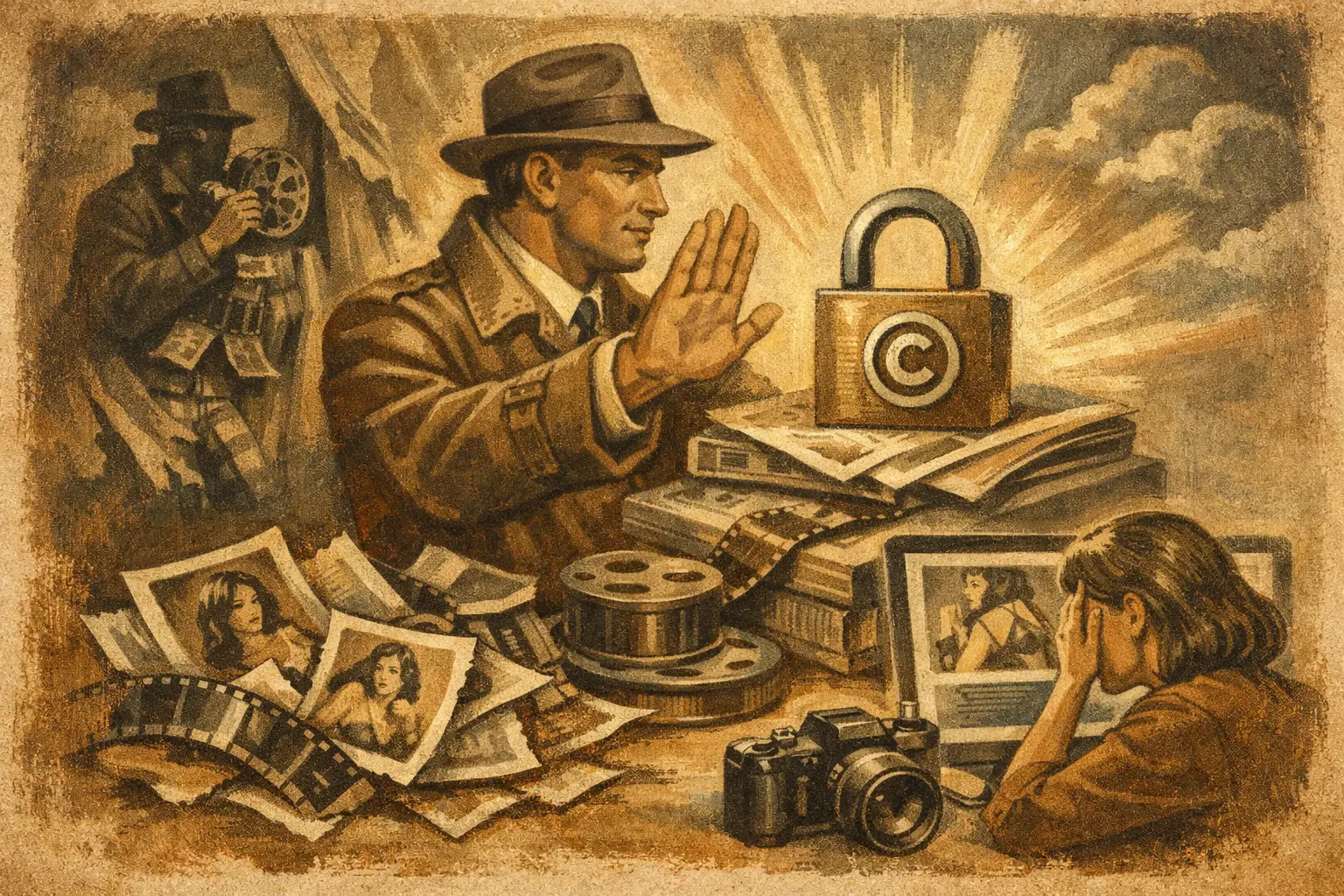
A leak is rarely a single link. One stolen post can be copied into a forum thread, reposted on a tube site, shared through a messaging channel, and indexed in search results before you have even found the original upload. Copyright protection gives creators a way to respond with control instead of spending every day searching, reporting, and worrying about the next re-upload.
For subscription creators, models, photographers, and agencies, the goal is not simply to file a complaint. It is to reduce exposure across the places where stolen content spreads, protect your identity during enforcement, and maintain pressure as new copies appear. That requires an ongoing process, not a one-time report.
Copyright Protection Is an Active Process
Copyright protection begins with knowing what you are protecting. This can include exclusive photos, videos, previews, paid sets, promotional assets, and other original work you have the right to enforce. Keep a clear record of original files, publication dates, source URLs, and any ownership or licensing arrangements. Those details can help establish a clean enforcement record when a platform requests supporting information.
For creators working with photographers, editors, management teams, or other collaborators, ownership may not always be simple. Contracts, licenses, and work arrangements can affect who has authority to submit a removal request. When there is uncertainty, it is wise to review the arrangement before acting. Copyright enforcement is most effective when the rights behind it are clear.
The operational challenge is scale. Manual searches may catch an obvious leak, but they miss content posted under altered usernames, cropped images, new file names, mirrors, or private sharing channels. By the time a creator finds one copy, several more may already be circulating.
That is why continuous monitoring matters. A protection workflow should repeatedly scan relevant piracy sites, tube sites, forums, social platforms, messaging channels, and search engines. It should also monitor for re-uploads after an initial action is sent. The first removal can be meaningful, but it is not the finish line.
Remove the Host Copy, Then Reduce Search Visibility
A common mistake is treating every enforcement action as the same thing. Takedowns and delisting work together, but they address different parts of the problem.
Takedowns target the source
A takedown request asks the host, platform, or service handling the infringing material to remove or restrict access to the content. This is the direct response to a leaked post, page, video, image set, or file. Where a platform cooperates and the request meets its requirements, removal can cut off that specific source of exposure.
But a removed URL does not automatically erase every copy elsewhere. It also may not immediately disappear from search results, cached pages, screenshots, reposts, or links that point users toward other uploads. This is why a single report often feels incomplete.
Delisting targets discovery
Search delisting is focused on visibility in search engines such as Google and Bing. Rather than removing material from the host site itself, it seeks to reduce the ability of people to find infringing pages through search results.
That distinction matters. A delisted page may still exist on its host, and a removed host page may continue to appear in search for a period of time. Addressing both layers gives creators a stronger path to reducing traffic, discoverability, and the long tail of a leak.
Neither action can guarantee a permanent result. Platforms have different review systems, policies, response times, and technical limitations. Content can also be reposted by new accounts or on sites beyond a platform's control. Effective copyright protection accounts for those realities by tracking outcomes and continuing to look for new exposure.
Build a Workflow That Does Not Depend on Your Time
When leaked content is personal and tied to your income, the instinct is to search constantly. That can become exhausting quickly, especially for creators with large libraries or agencies managing multiple accounts. A better approach is to separate the work into a repeatable cycle: detection, enforcement, delisting, verification, and re-upload monitoring.
A useful protection system should make each stage visible. You should be able to see what was found, what action was initiated, whether the URL was removed or remains active, and where follow-up is needed. A live status view turns enforcement from a black box into an organized operation.
Privacy is equally central. Many creators do not want their legal name, home address, or personal contact details exposed to pirate sites and anonymous uploaders. Where possible within a platform's process, enforcement can be handled through a service's own designated details rather than placing the creator's identity directly in front of infringers. This is not only about discretion. It gives creators more room to protect their work without feeling forced to reveal more of themselves.
For agencies, centralized protection also prevents uneven handling across a roster. Instead of relying on each creator to save screenshots, search manually, and submit separate reports, a shared process can organize protected assets, flagged URLs, enforcement status, and repeat activity in one place. The benefit is consistency as much as speed.
What to Do When You Find a Leak
Act promptly, but do not rush into public confrontation. Contacting uploaders directly, posting accusations, or trying to identify anonymous pirates can increase stress without removing the content. Preserve what you need for your records, then focus on the host and search pathways that control access and visibility.
Start by recording the infringing URL, the date you found it, and the original content it matches. If the content appears on multiple pages, treat each URL as a separate location. Then submit or initiate an appropriate removal action through the relevant platform process, keeping your records organized for follow-up.
If search results are sending traffic to the leaked page, address discoverability separately. A result that remains visible can continue directing people to a page even while the underlying host review is pending. Monitoring for new versions is also essential, because stolen content frequently reappears under a new link after the original one is addressed.
This is where automation changes the experience. Nemaries is a legal-backed brand protection and automated DMCA enforcement platform built to continuously detect leaks, initiate removal actions, pursue Google and Bing delisting, monitor re-uploads, and show progress through a live dashboard while prioritizing creator anonymity. It is designed to replace fragmented manual work with ongoing protection, not to provide personalized legal counsel.
Measure Progress Without Expecting Perfection
Copyright protection should create visible reduction, not false certainty. The right measures are practical: how many infringing URLs were detected, which actions were sent, which pages became unavailable, which search results were suppressed, and where re-upload activity persists.
Some sites respond quickly. Others may delay, require additional review, ignore requests, or operate outside the systems that make enforcement straightforward. Jurisdiction, platform cooperation, evidence quality, and the details of each case can all affect results. A serious protection strategy does not hide those limits. It keeps working across the channels where enforcement is possible and makes the status clear.
There is also a business reason to stay active. Every leaked page that remains easy to find can weaken the value of exclusive content, redirect potential subscribers, and create ongoing anxiety for the person behind the work. Reducing visibility and availability will not always eliminate every copy, but it can materially limit the reach and momentum of unauthorized distribution.
Protect the Work Without Sacrificing Your Peace of Mind
You should not have to choose between creating content and policing the internet. Set up a repeatable protection process, keep ownership records organized, and treat new leaks as operational incidents rather than personal battles. If you need ongoing coverage, review the platform's pricing and registration options before deciding what level of monitoring fits your content volume and risk.
Your work deserves more than a one-time reaction. The most useful protection is the kind that keeps watching after the first link is gone, so you can put your attention back where it belongs: creating, growing, and staying in control.
Start protecting your content
Automatically scan your digital content, detect infringements, and send removal requests with Nemaries.
Get Started