Content Piracy and How to Take Back Control
Content piracy can drain income and peace of mind. Learn how continuous detection, takedowns, and search delisting help you regain control privately, fast.
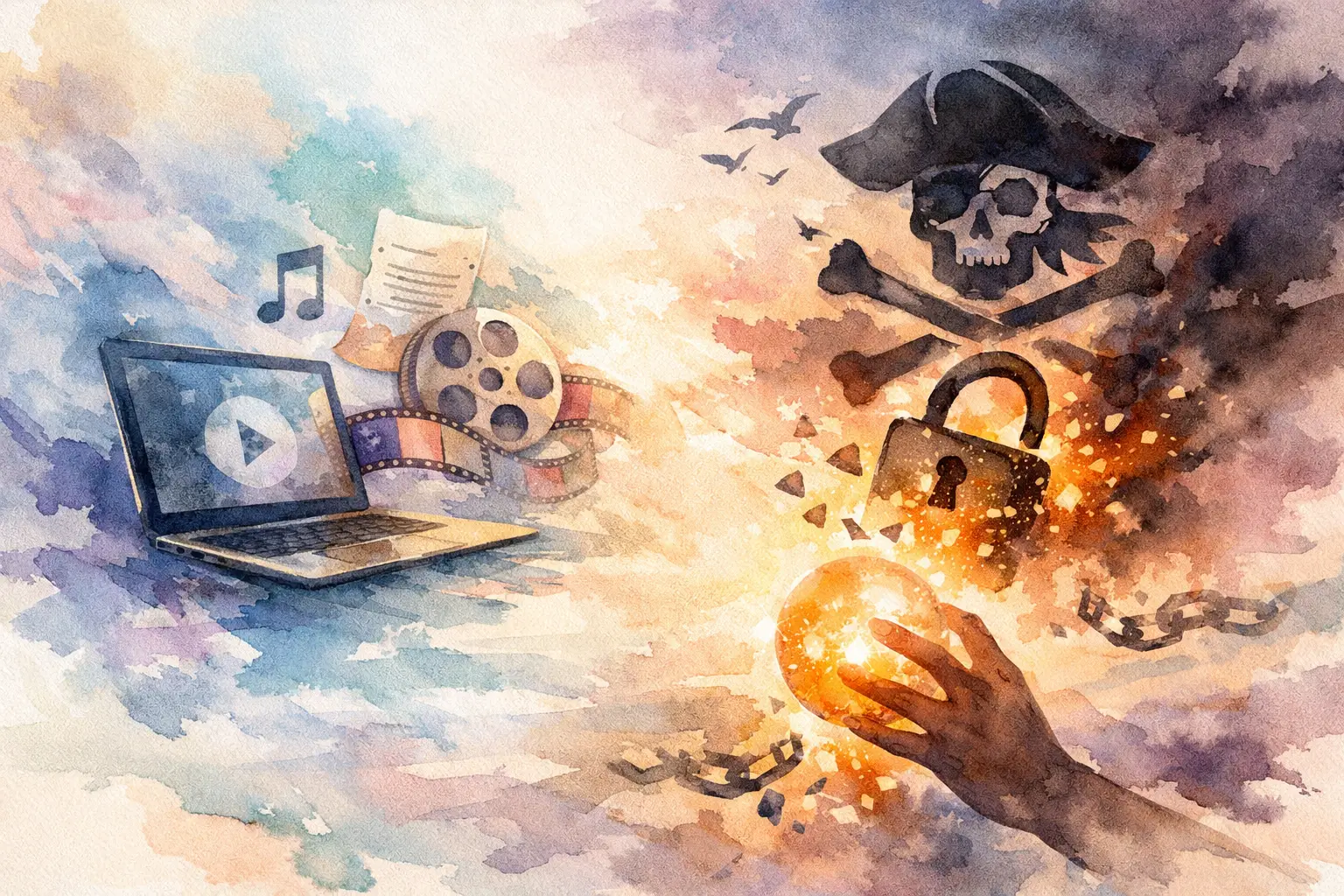
A leak is rarely just one file on one website. Content piracy can turn exclusive work into a moving target: reposted to a forum, mirrored on a tube site, shared in a messaging channel, then surfaced again through search results. For creators who rely on paid access, every copy can affect revenue, privacy, and the sense of control that makes it possible to keep creating.
The right response is not to spend every night searching your own name and sending scattered reports. It is to build a repeatable protection process that finds unauthorized copies, acts on them, limits their discoverability, and keeps watching for re-uploads.
What Content Piracy Actually Costs Creators
Unauthorized redistribution is often described as a copyright issue. That is true, but it is incomplete. For subscription creators, models, photographers, and agencies, a leak can also create a business problem and a personal safety concern.
A customer who finds paid material for free may never subscribe. Existing supporters may question whether a membership remains exclusive. Search results can place stolen previews next to a creator's name or stage name, making the material easier to find long after the original post disappears.
There is also the hidden workload. Manual enforcement requires searching across unfamiliar sites, recording URLs, understanding each platform's reporting path, following up on incomplete requests, and repeating the entire process when a copy appears elsewhere. That work is draining, and it does not scale well when you manage a growing library or multiple talent accounts.
The goal is not to chase every bad actor personally. It is to reduce exposure, protect the value of your work, and make piracy harder to discover and redistribute.
Why One Takedown Is Not Enough
A successful removal from a hosting platform is useful, but it is only one part of the response. Content piracy moves through an ecosystem. A file removed from its original upload page may remain on a mirror, a cached result, a copied forum post, or a search listing that still directs viewers to the infringement.
That is why protection needs separate actions working together. A takedown targets the host, platform, or service displaying the unauthorized material. A delisting request aims to reduce visibility in search engines such as Google and Bing when an infringing result is indexed. Neither action automatically solves the other problem.
Results depend on the cooperation of the platform, the accuracy of the reported information, and the circumstances of each case. Some hosts respond quickly. Others have limited reporting systems, operate across borders, or require additional review. A serious enforcement process accounts for those differences rather than treating every URL as identical.
The Four Parts of a Strong Protection Process
1. Continuous discovery, not occasional searching
Piracy is persistent, so detection must be persistent too. A creator may know about the first leak because a follower sends a message. The harder problem is finding the copies that appear afterward, especially on sites and channels a creator would never think to check.
Effective monitoring looks across a broad and expanding range of locations: piracy sites, tube sites, forums, social platforms, messaging channels, and search engines. It should identify suspicious matches quickly enough to make enforcement meaningful, while avoiding a workflow where the creator must inspect hundreds of unrelated results.
For agencies, the difference is even more significant. Searching individually for every creator creates inconsistent coverage and leaves gaps when a team is busy. Centralized monitoring creates a clearer picture of where exposure exists and which cases require attention first.
2. Organized evidence and enforcement action
Once an unauthorized use is identified, details matter. The report needs to connect the infringed material to the relevant URL or account and provide the information required by the receiving platform. Incomplete reports can create delays. Repeated manual entry can create errors.
Automated DMCA enforcement helps turn discovery into action without requiring creators to become full-time administrators. A legal-backed brand-protection platform can prepare and send appropriate removal requests at volume, track the status of each submission, and continue the process when new locations are identified.
This is operational support, not personalized legal counsel. When a situation involves unusual claims, identity threats, contracts, or a dispute that goes beyond standard platform enforcement, independent legal advice may be appropriate. For routine unauthorized reposting, the priority is often speed, accurate documentation, and consistent follow-through.
3. Search delisting to reduce visibility
Removing a file is the ideal outcome when the host cooperates. But search visibility deserves its own response. Search results can keep a leak discoverable even when the underlying page has changed, moved, or is in the process of being reviewed.
Delisting is designed to address that discoverability layer. It can reduce the chance that a person searching a creator's name, content title, or related terms is led directly to unauthorized material. It does not erase the internet, and it should not be represented as a guaranteed result. Still, suppressing infringing URLs in major search results can meaningfully reduce traffic to leaked content.
For creators whose name is part of their business, this distinction matters. A removal protects the source. A delist protects the path people use to find it.
4. Re-upload monitoring and visible status tracking
The most frustrating part of a leak is often its return. A file can be copied before an initial report is processed, then reposted under a new title or account. Protection that ends after the first action leaves creators exposed to that cycle.
Ongoing monitoring watches for new appearances and supports repeat enforcement. It also gives creators a way to see what is happening without living inside their inbox. A live dashboard should show discovered URLs, actions taken, pending cases, completed removals, and delisting progress in one place.
That visibility is not just a convenience. It helps agencies prioritize across their roster, gives independent creators confirmation that work is underway, and replaces uncertainty with a documented record of activity.
Privacy Should Be Part of the Enforcement Design
Many creators hesitate to report stolen material because they do not want their legal name, home address, or personal contact details exposed to the uploader or a questionable website. That concern is reasonable. Protection should not create a new privacy risk.
An anonymity-first process uses the enforcement provider's details where appropriate, helping keep the creator's legal identity out of routine enforcement communications. This is especially valuable for adult and subscription-content creators, where protecting separation between personal life and public brand can be essential.
Privacy does not mean disappearing from the process. You should still retain control over what is protected and be able to review the status of your cases. It means the operational burden and unnecessary exposure are handled with greater discretion.
How to Respond When You Find a Leak
Start by avoiding direct confrontation with the uploader. Messaging a pirate can lead to harassment, tip them off before action is taken, or simply waste time. Do not attempt to access private accounts, retaliate, or publish anyone's personal information.
Instead, preserve the basic details you can safely collect: the page URL, the date you found it, the account or site name, and screenshots where appropriate. Then identify the original content or membership post that establishes your connection to the work. This gives an enforcement process a stronger starting point.
Next, prioritize by impact. A high-ranking search result, a large forum thread, or a page hosting a substantial amount of your paid library may deserve faster attention than a low-traffic repost. That does not mean smaller leaks are harmless. It means time and resources should be directed where they can reduce the most exposure first.
Finally, choose a system that continues after the initial reports. Nemaries combines ongoing detection, automated removal requests, Google and Bing delisting efforts, re-upload monitoring, and live case tracking while keeping creator identity private in the enforcement workflow. Outcomes vary by platform and case specifics, but a centralized process is far more defensible than trying to manage an endless stream of URLs alone.
Control Is Built Through Consistency
No platform can honestly promise that every copy will vanish forever. Hosts can be unresponsive, content can be re-uploaded, and enforcement conditions vary across platforms and jurisdictions. What creators can control is whether there is a consistent system watching, acting, documenting, and reducing visibility over time.
That consistency protects more than individual files. It protects the exclusivity of your business, the boundaries around your identity, and the time you need to focus on your audience rather than the next unauthorized repost. When your work is found, acted on, and monitored without exposing you, peace of mind stops being an afterthought and becomes part of your protection.
Start protecting your content
Automatically scan your digital content, detect infringements, and send removal requests with Nemaries.
Get Started